Fisheries & Wildlife
-
College
-
Hours Required
120 credit hours -
Minors Available
Environmental Education, Environmental Science, Fisheries & Wildlife, Remote Sensing in Agriculture and Natural Resources, Urban Forestry, Water Science, Zoo Animal Science
-
Areas of Focus
Fisheries Conservation and Management, Habitat Management, Law Enforcement, Nature-based Entrepreneurship, Wildlife Conservation and Management, Zoo Animal Care
The Nebraska Difference
1-to-1 Individualized Advising
Work with a dedicated advisor to stay on track and reach your academic and career goals.
Hands-On Learning Beyond the Classroom
Stay close to home or travel globally while building practical, career-ready skills.
School of Natural Resources Network
Connect with faculty and alumni who help you launch your career before graduation.
Undergraduate Research Opportunities
Partner with communities and faculty to explore questions and conduct meaningful research.
Program Features
Create Your Future with Emphasis Areas
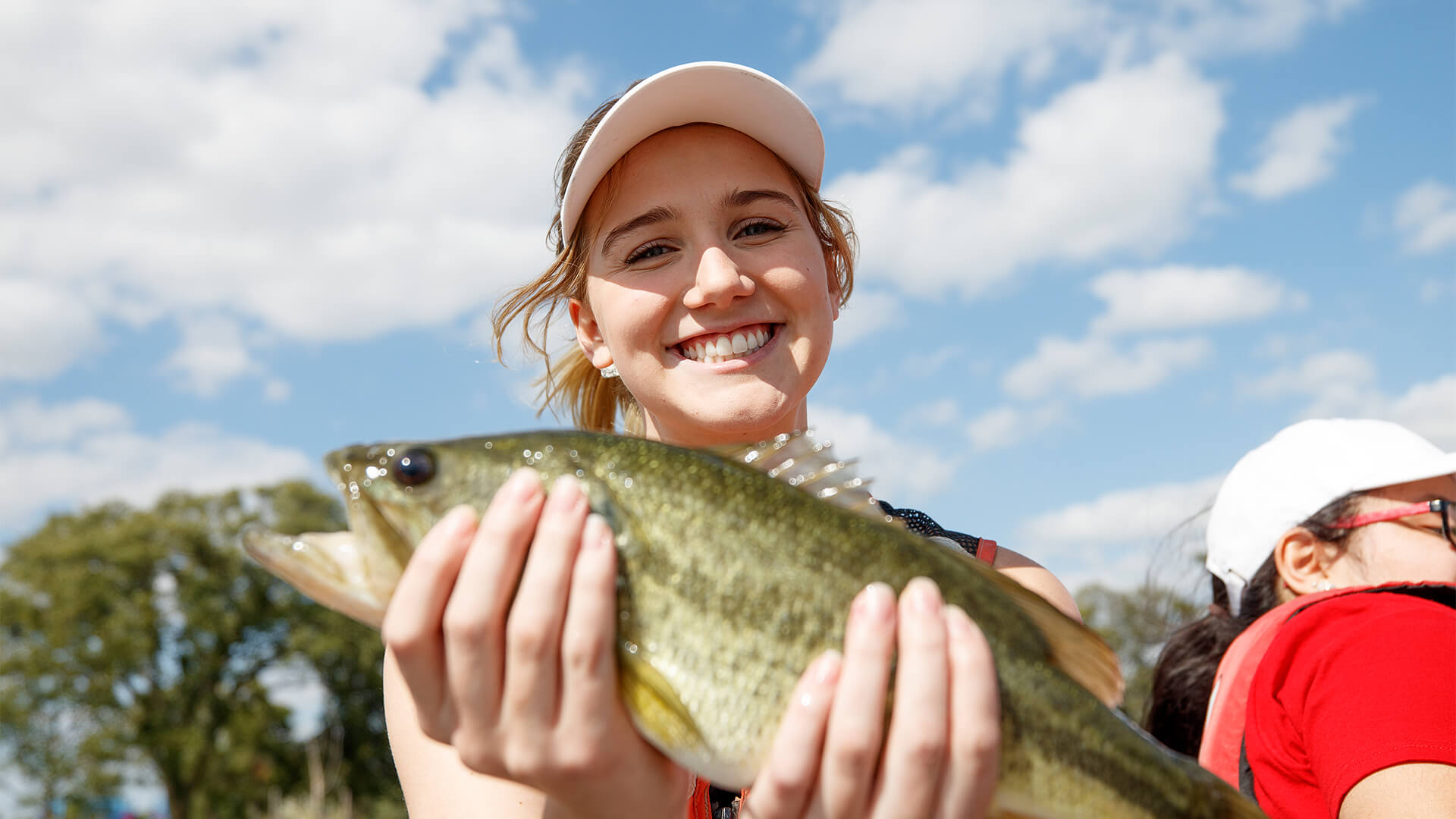
Choose an emphasis area to guide your studies, from conservation biology to zookeeping, policy and ecotourism. With a Fisheries & Wildlife degree, you can pursue careers as a fisheries manager, wildlife biologist, park ranger, environmental educator, zookeeper and more.
Gain Practical Experience
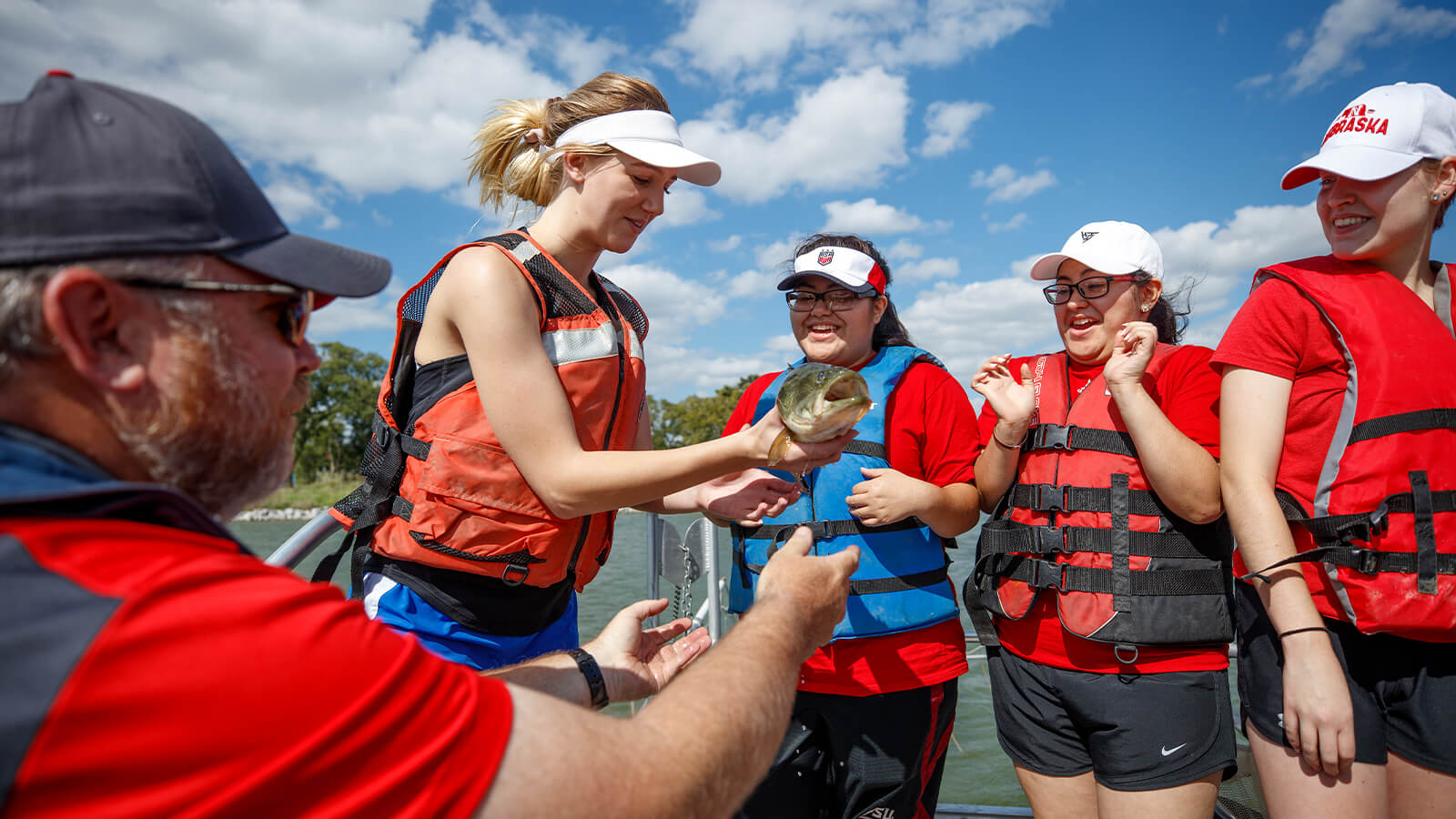
Apply your learning through classes, clubs, work experiences and workshops. Work with birds, fish and wildlife in their habitats, develop ecosystem management plans, address invasive species challenges and teach others about the outdoors.
Earn Professional Certifications
The curriculum aligns with industry-recognized certifications across emphasis areas. Options include Associate Fisheries Professional, Associate Wildlife Biologist, Safe Capture Training, EcoTraining Safari Guide, Project WILD certification and more.
Notable Courses
Natural Resources Orientation (NRES 101)
Introduction to natural resource disciplines, including fisheries, wildlife and habitat management. Students begin career planning and build connections within the natural resources community.
Introduction to Conservation Biology (NRES 211)
Introduction to ecosystem and biodiversity conservation. Integrates wildlife biology, ecology, evolution and genetics with economics, philosophy and political science.
Vertebrate Zoology (NRES 386)
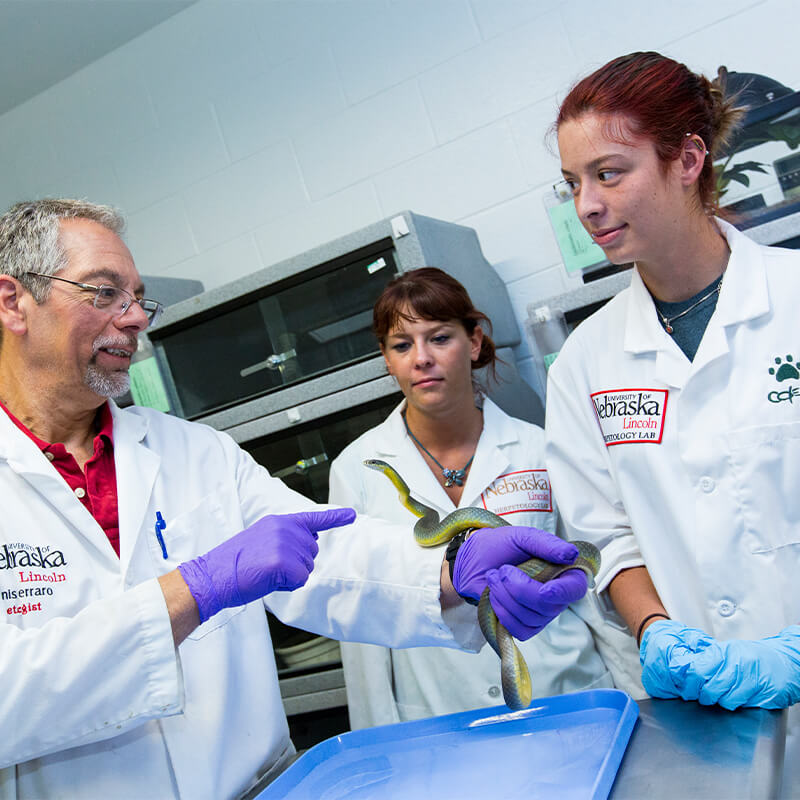
Covers evolutionary relationships, natural history and ecological adaptations of vertebrates. Explore similarities, differences and diversity across vertebrate groups.
Wildlife Field Techniques (NRES 233)
Develop technical skills for wildlife management. Gain field experience with wildlife and vegetation surveys, mark-recapture techniques, radio telemetry, drones and habitat assessment.
Fisheries Sciences (NRES 463)
Blends fish conservation, ecology, statistics, research and management techniques. Build connections with fisheries professionals and explore real-world applications of the degree.
Wildland Plants (NRES 442)
Study wildland plants important to grassland and shrubland ecosystems. Learn distribution, utilization, classification and identification of grasses, shrubs, exotic and wetland plants.
Huskers Do Big Things
The School of Natural Resources Student Success Team, comprised of advisors and faculty, helps you find your path to making a difference. Here are a few examples of what graduates do.
Internships
- Zookeeping Intern, Lincoln Children’s Zoo
- Outdoor Educator, Nebraska Natural Resources District
- Land Manager, Cedar Point Biological Station
- Conservation Officer Intern, Nebraska Game and Parks Commission
- Shark Lab Intern, Bimini Biological Field Station, Bahamas
- Fisheries and Aquatic Habitat Program Intern, Nebraska Game and Parks Commission
Careers
- Conservation Biologist, Fisheries Biologist or Wildlife Biologist, state parks, AZA-accredited zoos and aquariums, universities
- Park Ranger, National Park Service, state parks
- Wildlife Geneticist, nonprofit and nongovernmental organizations, AZA-accredited zoos and aquariums
- Environmental Policy Consultant, governmental and nongovernmental organizations, environmental engineering firms
- Marine Biologist, universities, parks departments, nonprofits, nongovernmental organizations
- Animal Care Specialist, wildlife or marine rehabilitation centers, AZA-accredited zoos and aquariums
Graduate Schools
- M.S. or Ph.D., Natural Resource Sciences, University of Nebraska–Lincoln
- M.S. or Ph.D., Wildlife and Fisheries Sciences, Pennsylvania State University
- M.S. or Ph.D., Environment and Society, Utah State University
- MPH, Public Health and Tropical Medicine, Tulane University
- Master of Environmental Education (MEEd), University of Minnesota
- DVM, Veterinary Medicine with Exotic Animal/Zoological Medicine Certificate, Kansas State University
Outside the Classroom
The School of Natural Resources encourages students to explore opportunities beyond the classroom. Our students are built on experiences, not just lectures.
Study conservation and natural resources around the world. Watch sandhill cranes migrate in Nebraska, research Lake McConaughy at Cedar Point, camp in South Africa or visit wildlife sanctuaries in Australia.
Join student organizations and find community at Nebraska. The Wildlife Club, one of the longest-running groups, focuses on conservation and connects students with alumni to explore career paths.
Apply for the Cabela’s Apprenticeship Program to fund hands-on experiences in conservation, research and outreach. Use support for internships, research projects, outreach efforts or project supplies.
Build meaningful connections with community partners through the School of Natural Resources. These experiences help students apply classroom learning, give back and prepare for careers in natural resources.

Featured Faculty
Lindsey Chizinski, Professor
Students learn from Lindsey in ecology, fisheries and environmental education courses. They also join study abroad trips to Namibia and the Bahamas and collaborate on undergraduate projects. Lindsey’s teaching emphasizes experiential learning and bringing concepts to life. Drawing on her natural resources career, she is committed to supporting and empowering the next generation of professionals as stewards of the natural world.
Academics & Experiential Learning
- Your Student Success Team and School of Natural Resources faculty help you stay on track to graduate and explore career paths.
- Natural resources professionals and employers regularly visit campus to share insights on current issues and career opportunities.
Career Preparedness
- Work with community partners and natural resources professionals during class. Visit worksites or connect on campus while building relationships with future employers.
- Career support is built in. Get help exploring paths, building résumés and cover letters, and preparing for interviews.
Community
- Connect with peers who share your interests by joining natural resources clubs, including Wildlife Club to the American Fisheries Society Student Chapter to Range Management Club.
- A dedicated Student Success Team supports you throughout your academic journey.
- Connect with alumni, community partners and events that help you build relationships and discover your path.
Have Questions? We're Here to Help
If you have questions about the Fisheries & Wildlife major or navigating the application process, contact us.

- Contact Name
- Bridget Gross
- Contact Title
- Recruitment Specialist
- Phone
-
-